Assessing the Current Ventilation Situation: How to Ventilate Your Garage Effectively
The garage, often overlooked in terms of ventilation, plays a crucial role in maintaining the overall air quality and safety of your home. Whether you use it for parking your car, as a workshop, or for storage, proper ventilation in this space is essential. To ventilate your garage effectively, it's imperative first to assess the current ventilation situation.
Begin by examining the design and structure of your garage. Determine whether it has any built-in ventilation systems such as windows, vents, or exhaust fans. Be aware of the door's weight when manually testing the balance Benefits of Installing HVAC Systems in Your Garage emergency service. Align the sensors to make sure the auto-reverse function operates correctly 24-hour garage door repair Manhattan pleasure. Older garages may rely solely on passive ventilation methods like windows and wall vents, which might be insufficient depending on how you use the space. Modern garages often come equipped with more advanced mechanical ventilation systems that can be controlled for optimal air exchange.
Next, consider what activities take place in your garage. If you frequently run vehicles inside or engage in hobbies that produce fumes or dust—such as woodworking or welding—the need for effective ventilation becomes even more critical. The accumulation of harmful gases like carbon monoxide from car exhausts can pose serious health risks if not properly vented out. Similarly, dust and chemicals from various projects can degrade indoor air quality.
An important step in assessing your current situation is to measure the airflow within the garage using an anemometer or similar device. This will give you a quantitative understanding of how much fresh air is moving through the space compared to stagnant zones where contaminants could accumulate. Additionally, consider conducting an indoor air quality test to identify any existing pollutants that need addressing.
Observe any signs of poor ventilation such as lingering odors, mold growth on walls or ceilings due to excess humidity, and condensation on windows—these are red flags indicating inadequate airflow and moisture control.
Once you've gathered all this information about your current setup and identified problem areas (if any), you'll have a clearer picture of what improvements are needed. For instance:
- **Natural Ventilation**: If feasible based on climate conditions and security concerns, increasing natural airflow by adding more windows or strategically placed vents can help.
When aiming to ventilate your garage effectively, one of the crucial steps is to identify potential airflow blockages. Understanding and addressing these blockages can make a significant difference in promoting adequate air circulation, reducing humidity, and eliminating harmful fumes.
Firstly, it's important to conduct a thorough inspection of your garage. Begin by looking at the largest potential source of ventilation – the garage door. Check if it opens and closes smoothly and ensure there are no obstructions preventing it from operating correctly. Sometimes, simple things like stored items or debris close to the door tracks can hinder its full operation, limiting airflow when the door is partially open.
Next, consider any windows in your garage. Windows that are stuck shut or blocked by clutter can significantly restrict fresh air from entering the space. Ensure that all windows are operational and free from obstacles both inside and outside. It might be helpful to install screens on these windows to allow them to stay open without letting pests enter.
Ventilation grilles are another critical component often found in garages. These grilles allow for passive airflow even when doors and windows are closed. However, they can become clogged with dust, cobwebs, or other debris over time. Regularly cleaning these vents ensures that they remain functional and efficient at facilitating air exchange.
Ceiling fans or exhaust fans play an essential role in enhancing garage ventilation but can also become sources of blockage if not maintained properly. Dust accumulation on fan blades reduces their efficiency and effectiveness at moving air around the space. Additionally, inspect exhaust ducts for any signs of obstruction such as bird nests or leaves which may have accumulated over time.
Storage practices within a garage frequently contribute to airflow blockages too. Overhead shelves stacked with boxes or equipment hung on walls can interrupt natural pathways for air movement. Organize your storage smartly; keep bulky items away from key ventilation points like doors, windows, and vents.
Lastly, take into account any vehicles parked inside the garage which could block airflow paths especially when placed near entry points meant for ventilation purposes such as a window left slightly ajar during warmer months.
In conclusion identifying potential airflow blockages involves careful examination of various elements within your garage including doors/windows functionality cleanliness status regarding vents/fans/ductwork along strategic organization concerning stored goods overall layout contributing towards ensuring optimal conditions fostering healthy environment through effective means facilitated proper ventilative measures undertaken responsibility maintaining clarity unimpeded passages necessary achieving desired outcomes successfully tackling common challenges associated task improving quality life thereby safeguarding well-being family members alike residing household whereupon situated premise concerned ultimately leading betterment living standards sustainable manner preserved future generations come henceforth espousing proactive approach pivotal aspect endeavor represented hereinabove underscored importance due diligence required part homeowners diligently striving uphold best practices pertaining subject matter contextually relevant discourse aforementioned domain expertise conveyed succinctly articulated manner intended readership benefit enlightenment gained insights rendered course essay presented accordingly respect regards sincerely yours faithfully dedicated service noble cause advocated herein acknowledged recognized appreciated commendably esteemed valued contributions made field study related topics discussed hitherto foregone conclusion drawn basis merit evaluation criteria established benchmarks set forth guiding principles underlying foundation thesis elaborated substantiated evidence derived empirical observations practical experiences shared collectively amassed repository knowledge available disposal readers interested pursuing further inquiries pertinent issues raised treated respectfully consideration granted accorded due attention deserved warranting deliberation engagement pursuit continuous improvement aspirations envisioned realization goals envisaged therein encapsulated essence thematic exploration narrative recounted endeavors embarked upon successful fruition attainment objectives delineated purposefully achieved end result aspired attainment excellence sought strived accomplished endeavor laudable indeed meritoriously noteworthy commendable!
Navigating HVAC Challenges in Multi-Use Garage Spaces: Future Trends and Innovations
Multi-use garage spaces, which often serve as workshops, storage areas, fitness centers, and even social hubs, present unique HVAC challenges.. The need for versatile heating, ventilation, and air conditioning (HVAC) solutions is paramount to ensure comfort, safety, and efficiency.
Posted by on 2024-06-22
### Advantages of Energy-Efficient HVAC Units in Garage Areas: Low Maintenance Requirements
In today's world, where energy efficiency and sustainability are becoming paramount, the benefits of incorporating energy-efficient HVAC (Heating, Ventilation, and Air Conditioning) units into garage areas cannot be overstated.. One of the most compelling advantages is their low maintenance requirements.
Posted by on 2024-06-22
### Tips for Selecting and Maintaining an Efficient HVAC System for Your Garage: How Efficient HVAC Can Prevent Garage Door Issues in Manhattan
When it comes to maintaining a functional and comfortable garage, many homeowners focus on insulation, organization, and security.. However, one aspect that often gets overlooked is the importance of an efficient HVAC system.
Posted by on 2024-06-22
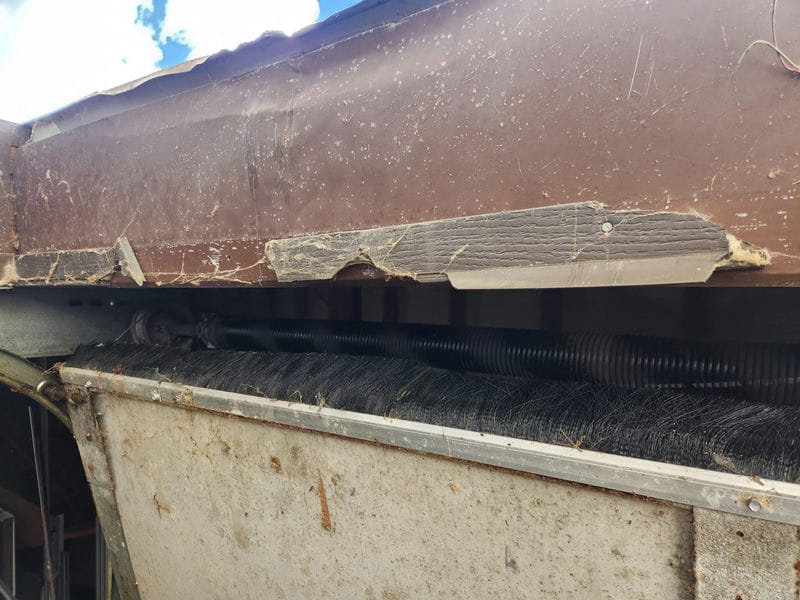
Maintaining a well-functioning garage door requires more than just regular usage and occasional inspections; it necessitates an integrated approach that includes both proper ventilation and diligent maintenance practices.. While the role of ventilation in maintaining garage door mechanisms often goes unnoticed, its significance cannot be overstated.
Posted by on 2024-06-22
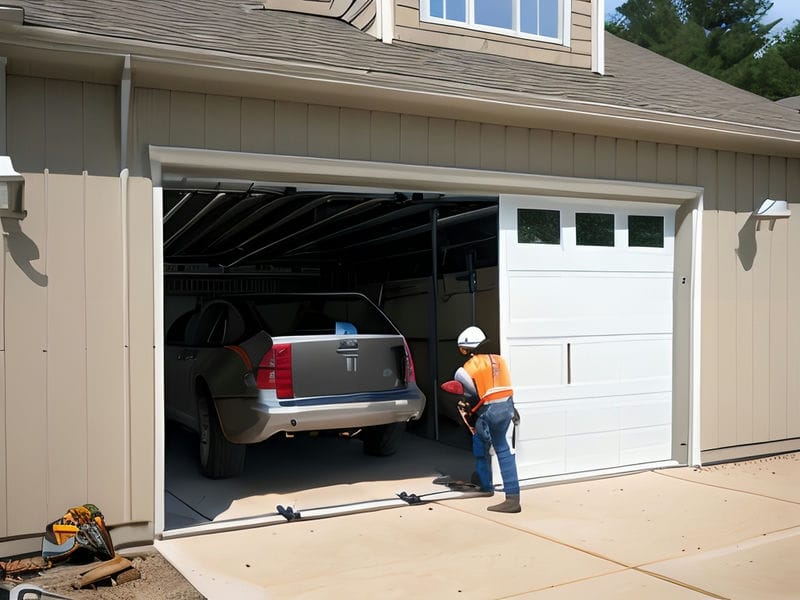
The bustling borough of Manhattan, with its iconic skyline and relentless pace, demands that every aspect of urban living is optimized for efficiency and comfort.. One often overlooked yet crucial component of this optimization pertains to garage spaces—integral parts of residential buildings, commercial complexes, and even standalone structures.
Posted by on 2024-06-22
### Choose Appropriate Ventilation Equipment for Your Garage
Ventilating your garage effectively is essential for maintaining a healthy environment, preserving the integrity of stored items, and ensuring your own safety. Whether you use your garage as a workshop, storage space, or simply to park your vehicle, proper ventilation can help mitigate issues such as excessive heat, moisture buildup, and hazardous fumes. Selecting the right equipment is crucial in achieving optimal ventilation. This essay will guide you through key considerations and provide recommendations for choosing appropriate ventilation equipment for your garage.
#### Understanding the Need for Ventilation
Before diving into specific equipment options, it's important to understand why ventilating your garage is necessary. Garages often serve multiple purposes beyond just housing vehicles—they can be workshops where various tools and chemicals are used or even makeshift gyms with exercise equipment. All these activities generate heat, moisture, and sometimes harmful fumes that need to be managed. Adequate ventilation helps:
1. **Reduce Heat**: During warmer months or when using power tools that generate heat.
2. **Control Humidity**: Prevents mold growth and protects stored items from moisture damage.
3. **Eliminate Fumes**: Car exhausts, paints, solvents, and other chemicals produce harmful gases.
#### Types of Ventilation Equipment
The best approach to ventilating your garage involves a combination of natural and mechanical ventilation systems tailored to its size and usage patterns.
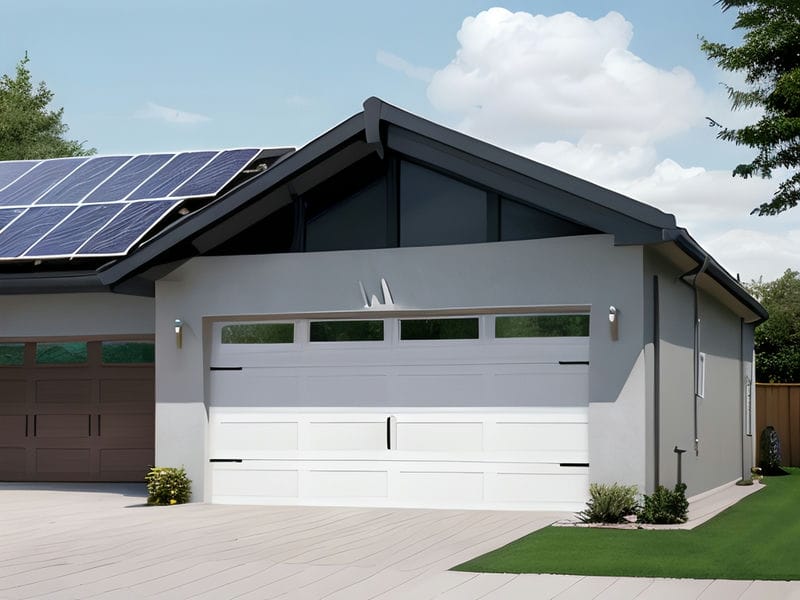
Proper ventilation in your garage is crucial for maintaining a healthy and comfortable environment. One of the most effective ways to achieve this is by installing exhaust fans, which improve air circulation by removing stale air and introducing fresh air from outside. This essay will explore the benefits of installing exhaust fans in your garage and provide practical tips on how to do it effectively.
### Utilizing Natural Ventilation Techniques for Effective Garage Ventilation
Effective ventilation in a garage is essential not only for maintaining air quality but also for ensuring the longevity of stored items and machinery. One of the most efficient and eco-friendly methods to achieve this is by utilizing natural ventilation techniques. These techniques harness the power of nature to create airflow, reducing reliance on mechanical systems and contributing to a healthier indoor environment.
#### Understanding Natural Ventilation
Natural ventilation leverages the principles of air movement driven by temperature differences (convection) and wind pressures. This method involves strategically placing openings like windows, vents, or louvers that allow fresh air to enter while displacing stale or polluted air. As warm air rises, it exits through higher openings, drawing cooler outdoor air in from lower openings.
#### Strategic Placement of Openings
To maximize natural ventilation in your garage, consider the placement and size of windows or vents. Positioning them across from each other will encourage cross-ventilation—a highly effective way to ensure consistent airflow throughout the space. If possible, install vents near the ceiling on one wall and near the floor on an opposite wall. This setup takes advantage of both convection currents and wind pressure differentials.
#### Using Doors as Ventilation Aids
Garage doors can serve as significant aids in natural ventilation when used appropriately. On days with favorable weather conditions, partially opening your garage door can facilitate substantial airflow. Combining this with smaller side windows or vents can enhance cross-ventilation further.
#### Incorporating Vegetation
Planting greenery around your garage can also contribute to better ventilation indirectly. Trees and shrubs can act as natural barriers that direct wind flow towards your garage openings while providing shade that keeps temperatures lower inside. This combination helps maintain a more comfortable environment within the space.
#### Seasonal Considerations
Seasonal changes impact how you should approach natural ventilation in your garage. During warmer months, take advantage of cool morning or evening breezes by opening windows or doors at these times while keeping them closed during peak heat hours to prevent hot air ingress. In colder seasons, briefly ventilate during midday when temperatures are relatively higher to avoid excessive cold drafts.
#### Benefits Beyond Air Quality
Utilizing natural ventilation goes beyond improving air quality; it offers several ancillary benefits too. Reduced dependency on electrical fans or HVAC systems translates into energy savings and lower utility bills—good news for both your wallet and the environment. Additionally, improved airflow can help mitigate moisture buildup, thus preventing rust formation on tools and vehicles stored within the garage.
### Conclusion
Harnessing natural ventilation techniques presents an effective solution for ventilating your garage sustainably and economically. By thoughtfully designing window placements, leveraging existing doors for airflow, incorporating vegetation strategically, and adapting practices seasonally, you can maintain a well-ventilated space conducive to both storage needs and personal comfort.
Incorporating vents and louvers in garage design is a crucial step towards achieving effective ventilation, ensuring that your garage remains a functional, safe, and pleasant space. Garages are often overlooked when it comes to ventilation, leading to problems such as poor air quality, excessive humidity, and the accumulation of harmful fumes. By designing your garage with proper vents and louvers, you can address these issues proactively.
Vents play an essential role in facilitating airflow within the garage. They allow stale air to escape while bringing in fresh outdoor air. This exchange of air is vital for several reasons. First and foremost, garages often house vehicles and various equipment that emit exhaust gases and other pollutants. Without adequate ventilation, these toxins can build up over time, posing health risks to anyone who spends time in the garage. Properly placed vents help dissipate these hazardous substances, maintaining a safer environment.
Moreover, garages are prone to moisture buildup due to their proximity to the outdoors and frequent exposure to wet conditions from rain or snow-covered vehicles entering the space. Excess moisture can lead to mold growth and structural damage if not managed properly. Vents contribute to reducing humidity levels by allowing damp air to exit while drawing in drier outside air. This balance helps protect both the garage structure and any items stored within it.
Louvers complement vents by enhancing their effectiveness through better control of airflow directionality and volume. Louvers are slatted structures that cover vent openings; they can be adjusted or fixed depending on design preferences. Adjustable louvers offer flexibility in managing how much air enters or leaves the garage at any given time based on seasonal changes or specific needs like vehicle maintenance activities which may require additional ventilation.
The strategic placement of vents and louvers is key for optimal performance. Typically, high wall-mounted vents paired with lower wall or door-level intakes create a natural convection effect: warm air rises and exits through upper vents while cooler air enters from below, promoting continuous circulation throughout the space.
Additionally, modern advancements have introduced powered options such as exhaust fans integrated with vent systems for enhanced efficiency especially useful during peak usage periods when manual adjustment isn't practical.
In conclusion,
incorporating well-designed venting systems utilizing both traditional passive methods (vents) alongside adjustable mechanisms (louvers) significantly improves overall indoor climate control within garages ultimately contributing towards healthier living environments protecting valuable possessions extending longevity building integrity.
Ventilating your garage effectively is crucial for maintaining a healthy and safe environment. One essential aspect of this process is to regularly maintain and clean ventilation systems. Properly functioning ventilation systems help to remove harmful fumes, reduce moisture buildup, and improve overall air quality within the garage space. Here, we explore why regular maintenance and cleaning are critical and provide practical steps on how to achieve it.
First and foremost, garages often house vehicles, machinery, and various chemicals that can release toxic fumes. Over time, these fumes can accumulate and pose serious health risks to anyone who enters the garage. Ventilation systems are designed to expel these hazardous substances out of the space, ensuring that fresh air circulates continuously. However, without regular maintenance, these systems can become clogged or malfunction. Filters may fill with dust and debris; fans might wear out or break down entirely; ductwork could develop blockages. To prevent this degradation in performance, it's imperative to establish a routine maintenance schedule.
Begin by inspecting your ventilation system at least once every three months. Check for any visible signs of wear or damage such as cracks in ducts or unusual noises from exhaust fans. It's also essential to replace filters according to the manufacturer's recommendations—usually every three months but possibly more frequently if you use your garage heavily or live in a dusty area.
Cleaning is another crucial component of maintaining an effective ventilation system. Dust, dirt, cobwebs, and other particulates can quickly accumulate within vents and ducts. These obstructions not only hinder airflow but also cause the system to work harder than necessary, leading to increased energy consumption and potential mechanical failures over time. Use a vacuum cleaner with a hose attachment or compressed air to remove accumulated debris from vents and ducts thoroughly.
Additionally, pay attention to areas around intake vents outside the garage as well; ensure they remain free from leaves, grass clippings or any other detritus that could obstruct airflow into your system.
Besides the technical aspects of maintaining your ventilation system itself there’s general cleanliness of entire garage contributing its effectiveness too - keep floors swept clean so less particulate matter gets stirred up into atmosphere – which then inevitably ends up getting sucked back through those same intakes!
Furthermore consider integrating natural methods alongside mechanical solutions: open windows (if available) whenever possible allow cross-ventilation naturally flushing stale polluted indoor air replacing it with clean outdoor counterpart especially useful during mild weather conditions when heating cooling aren't primary concerns yet still needing adequate circulation
In conclusion regularly maintaining cleaning ensuring optimal functionality crucial achieving effective efficient safe ventilated environment ultimately protecting health wellbeing all who utilize space . By adhering simple yet vital practices you'll prolong lifespan equipment enjoy peace mind knowing doing utmost preserve quality life daily activities unfold midst ever-important setting home!